
When people think about festival planning, they picture stage builds, lineup announcements, sponsor activations, and ticket launches.
What they don’t picture?
Where everyone sleeps.
Behind every seamless set, viral influencer post, and perfectly timed production cue is a quiet logistical operation that can make — or break — the entire experience: housing.
Artists. Influencers. Touring teams. Production crews. VIP guests. Media partners.
Someone has to house them all.
And it’s far more complex than booking a few hotel rooms.
Why Housing Is More Than a Room Key
Festival housing isn’t just about availability — it’s about alignment.
- Does the artist need privacy or proximity to the venue?
- Does the touring team require multiple adjoining rooms?
- Are there dietary restrictions that affect hotel selection?
- Does the influencer contract specify suite accommodations?
- Is transportation coordinated from housing to site?
In destination markets like Las Vegas, where conventions, nightlife, and tourism collide year-round, room blocks disappear quickly. Waiting too long isn’t just inconvenient — it’s expensive.
And in some cases, impossible.
Artists: Privacy, Comfort, and Performance Readiness
For performers, housing is part of performance prep.
After long travel days and high-energy sets, artists need:
- Quiet, secure accommodations
- Late check-in flexibility
- 24-hour access for touring staff
- Reliable transportation coordination
Many prefer boutique hotels for privacy. Others require larger properties that can accommodate security and team members on the same floor.
The goal is simple: eliminate friction so the artist can focus on the stage.
Influencers: Experience Is the Content
Influencers operate differently.
Their accommodations are often part of the deliverable.
Aesthetic spaces. Good lighting. On-brand ambiance. Shareable backdrops.
If influencer housing feels generic, it reflects in the content.
Festival planners increasingly consider:
- Suite upgrades
- Unique design-forward properties
- Proximity to branded activations
- Early access for content capture
Housing becomes part of the marketing strategy.
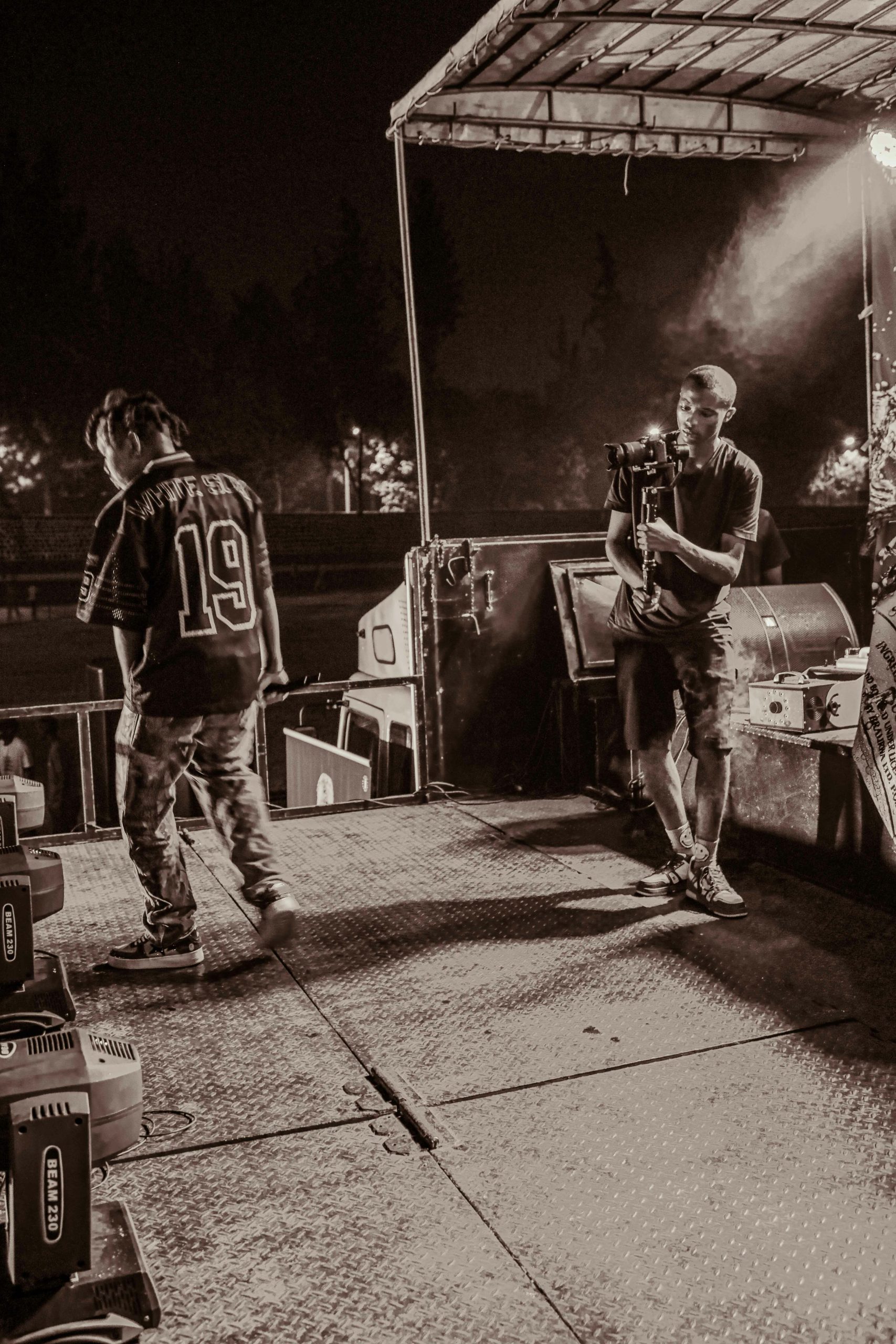
Touring Teams and Crew: The Operational Backbone
Production managers, lighting techs, sound engineers, stage crew — these teams often arrive first and leave last.
Their needs are practical:
- Affordable but comfortable lodging
- Flexible room blocks
- Early check-ins
- Laundry access
- Reliable transportation logistics
While they may not be front-facing talent, their comfort directly affects event execution.
Overlooking crew housing is one of the fastest ways to create operational strain.
The Scale Problem: Volume and Timing
Large-scale festivals may need to secure:
- 100+ rooms
- Multiple property types
- Split arrival dates
- Rolling departures
And that’s before considering:
- VIP guests
- Sponsors
- Press
- Vendor partners
Room block negotiations must happen months in advance — especially in destination markets where tourism demand competes with event dates.
The Risk Factor
Housing carries real risk exposure.
Missed room blocks. Overbooked hotels. Transportation delays. Noise complaints. Security concerns.
When artists or influencers have negative lodging experiences, it doesn’t stay private.
In the age of social media, it becomes public — quickly.
Strong housing coordination protects:
- Brand reputation
- Sponsor relationships
- Talent retention
- Guest satisfaction
Why Experienced Housing Coordination Matters
Professional festival housing coordinators manage:
- Contract negotiations
- Rooming lists
- Arrival tracking
- Transportation scheduling
- Emergency contingencies
- Last-minute changes
They act as the liaison between hotels, property managers, talent teams, and production.
And when done well, no one notices.
That’s the point.
The Human Side of Logistics
Festival planning is often described in terms of scale and spectacle. But behind the scenes, it’s deeply human.
Artists need rest. Teams need reliability. Influencers need creative space. Crew needs functionality.
Housing may not be glamorous, but it is foundational.
Because when people feel taken care of, they perform better, create better, and represent your event with pride.
Great festivals aren’t just built on stages.
They’re built on the systems no one sees.
And sometimes, the most overlooked detail — where everyone lays their head at night — is what keeps the entire experience standing.